
Passover Guide 2026
The eight-day holiday of Passover is celebrated in the early spring, from the 15th through the 22nd of the Hebrew month of Nissan, April 1 - 9, 2026. Passover (Pesach) commemorates the emancipation of the Israelites from slavery in ancient Egypt. Pesach is observed by avoiding leaven, and highlighted by the Seder meals that include four cups of wine, eating matzah and bitter herbs, and retelling the story of the Exodus
The Matzah
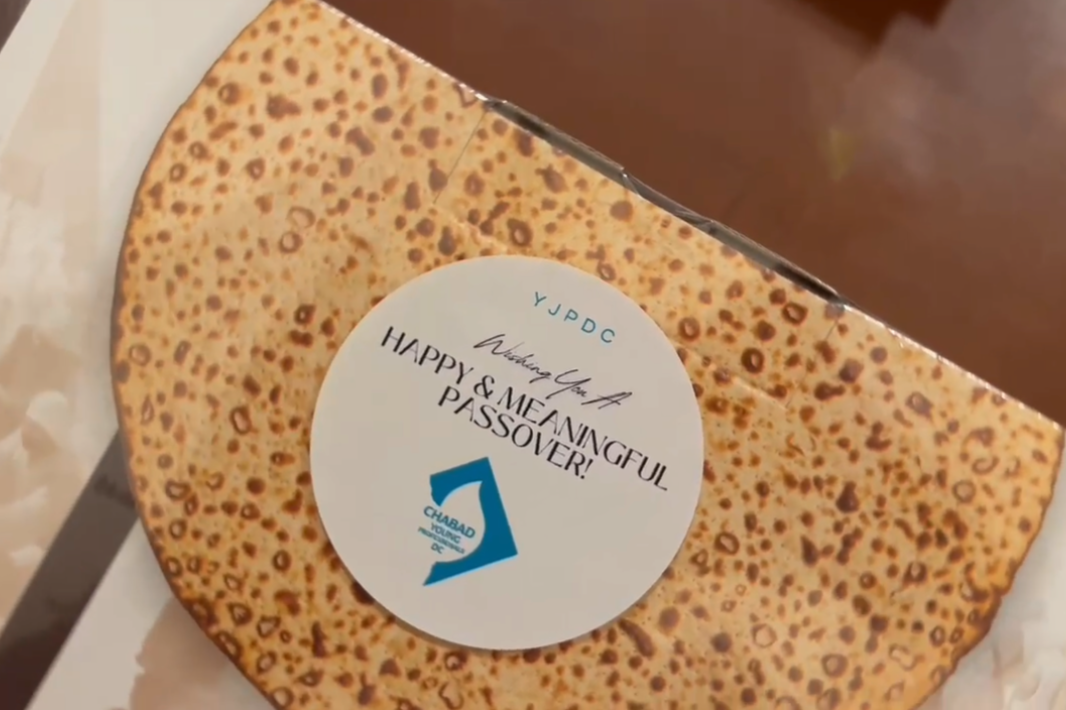
Not all Matzahs are created equal. For your Seder nights you want Shemurah Matzah, the Matzah baked the same way our ancestors baked them when they left Egypt 3,338 years ago.
Claim your complimentary box of 3 Shemurah Matzahs:
The Chametz
The Seder
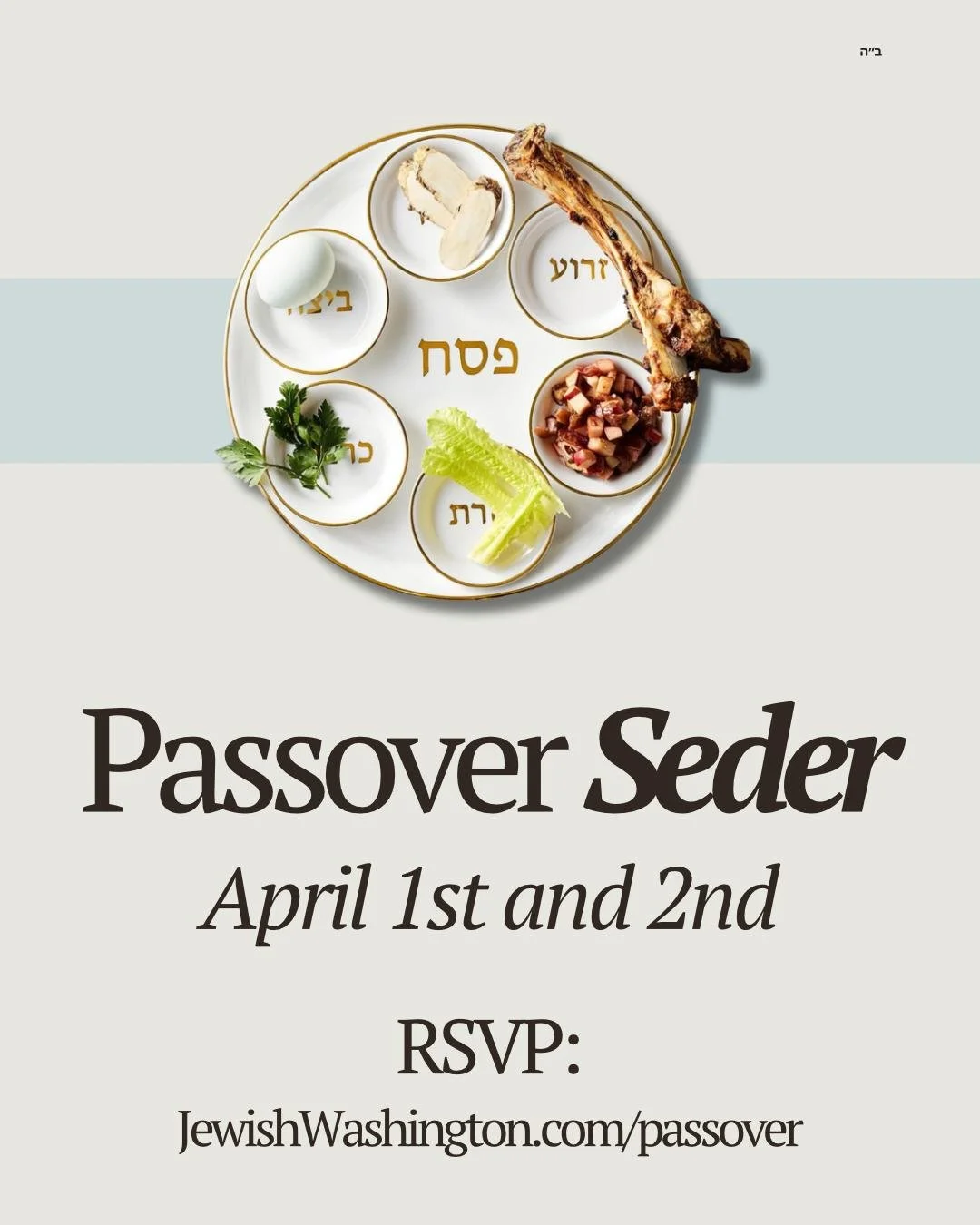
The highlight of Passover is the Seder, observed on each of the first two nights of the holiday. The Seder is a fifteen-step family-oriented tradition and ritual-packed feast.
The focal points of the Seder are:
Eating matzah.
Eating bitter herbs—to commemorate the bitter slavery endured by the Israelites.
Drinking four cups of wine or grape juice—a royal drink to celebrate our newfound freedom.
The recitation of the Haggadah, a liturgy that describes in detail the story of the Exodus from Egypt. The Haggadah is the fulfillment of the biblical obligation to recount to our children the story of the Exodus on the night of Passover. It begins with a child asking the traditional “Four Questions.”
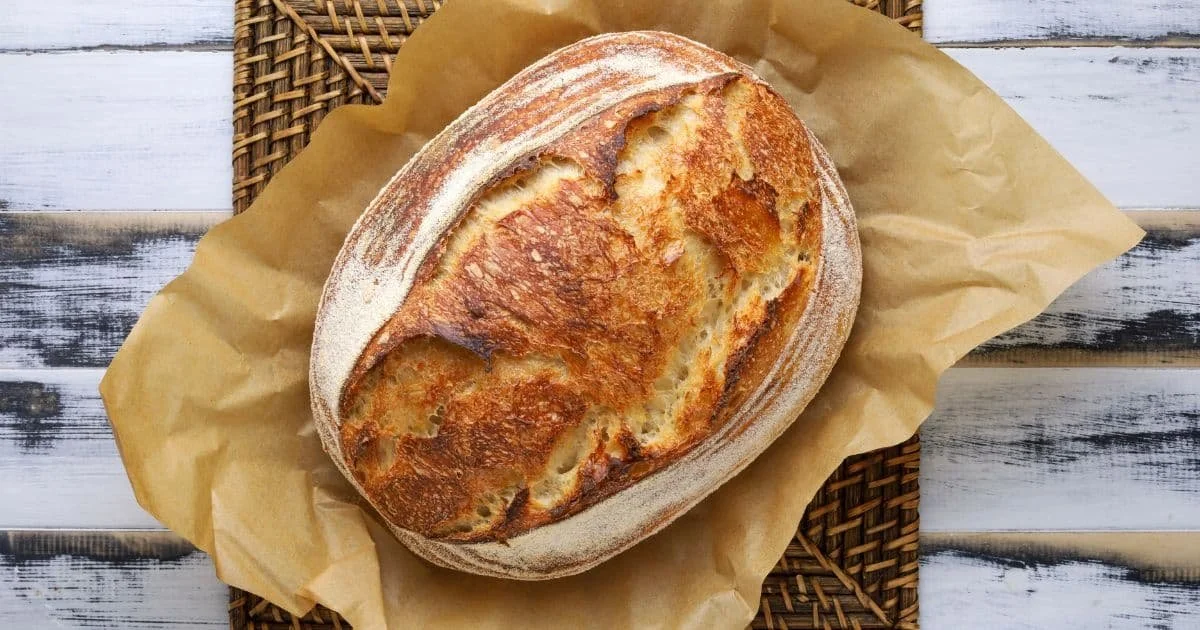
To commemorate the unleavened bread that the Israelites ate when they left Egypt, we don’t eat—or even retain in our possession—any chametz from midday of the day before Passover until the conclusion of the holiday. Chametz means leavened grain—any food or drink that contains even a trace of wheat, barley, rye, oats, spelt or their derivatives, and which wasn’t guarded from leavening or fermentation. This includes bread, cake, cookies, cereal, pasta, and most alcoholic beverages. Moreover, almost any processed food or drink can be assumed to be chametz unless certified otherwise.